How to Train After 35 to Keep Building Muscle
Fitness into middle age isn’t about lowering your expectations. It’s about training smarter so you can keep making gains without beating up your body in the process.

Fitness into middle age isn’t about lowering your expectations. It’s about training smarter so you can keep making gains without beating up your body in the process.

Building muscle and getting (or staying) lean after 35 is less about fighting age and more about adjusting to reality. Recovery tends to require more attention, sleep becomes harder to overlook, and nutrition and training quality often matter more than they did earlier in your lifting career. But none of that means you have to stop making progress.
I’ve worked with plenty of guys and gals in their late 30s, 40s, 50s, and beyond who are still adding muscle, getting stronger, and improving their physiques. The difference is that they’re usually not relying on the same habits that carried them through their younger years.
Being fit, lean, and muscular in your middle-age years isn’t necessarily harder, but it often requires a different emphasis. The people who continue making gains long term are usually the ones who learn how to adapt their training, recovery, and nutrition as their bodies—and lives outside the gym—change.
Before I get into the “rules” to follow, I want to share one bit of tough love: no more excuses. Once you’re in your 30s, not to mention your 40s, “I’m too busy…” and “I don’t have time to work out…” no longer fly. You’re a grown up, and you likely have kids by now. In other words, you’re too old for excuses.
Here are seven specific guidelines for training smarter, recovering better, and progressing long term:
If there’s one variable that older lifters consistently underestimate, it’s sleep.
Sleep influences nearly every factor tied to muscle growth and performance, including recovery, hormone production, appetite regulation, training energy, cognitive function, and your body’s ability to adapt to hard workouts. Yet for many people, it’s also the first thing sacrificed when work deadlines pile up, kids’ schedules get hectic, or life simply becomes busy.
That tradeoff tends to become more noticeable with age. In your 20s, you may have been able to string together mediocre nights of sleep, lean on caffeine, and still grind through tough workouts without feeling much of a drop-off. Over time, though, poor sleep often starts showing up in more obvious ways—sluggish training sessions, slower recovery, persistent soreness, reduced motivation, or stalled progress in the gym.
Sleep can also influence factors beyond performance. Inadequate sleep has been linked with disruptions in hunger hormones , insulin sensitivity, testosterone production , and body composition—all variables that matter if your goal is building muscle while staying lean.
I’m not suggesting you need perfect sleep every night. Real life doesn’t work that way. But if you’re consistently sleeping five or six hours and wondering why recovery feels harder than it used to, sleep deserves attention before you assume your training program is the problem.
For most lifters over 35, seven to nine hours per night is a solid target. Just as important as total sleep time is consistency. A more regular sleep schedule, less late-night screen exposure, better caffeine management, and a cooler, darker sleep environment can all help improve sleep quality over time.
Treat sleep like part of your training plan, not something that happens around it.
Protein has always been central to muscle growth. After 35, it becomes even more important.
One issue I see with older lifters is that many still eat protein like casual exercisers despite training like people who want serious results. They’ll invest time and attention into programming, supplements, and training intensity while underdelivering on the nutrient that actually supplies the building blocks for muscle repair and growth.
Another consideration is that the body’s response to protein can change with age. Researchers sometimes describe this as anabolic resistance, meaning the body may require a stronger nutritional signal to maximize muscle protein synthesis. That doesn’t mean muscle growth stops after 35. It simply means nutrition tends to reward a more deliberate approach.
For most people focused on maximizing muscle mass, I generally recommend aiming for at least 1 gram of protein per pound of body weight per day. In some situations—particularly during fat-loss phases or aggressive training blocks—that intake may benefit from being even higher, upwards of 1.5 to 2.0 grams per pound per day .
Total intake matters, but so does distribution. Saving the majority of your protein for one oversized dinner while eating very little the rest of the day isn’t ideal. Spreading protein across multiple meals gives your body more frequent opportunities to support muscle protein synthesis and recovery.
Food quality matters here, too. Lean meats, eggs, dairy, fish, Greek yogurt, and other
Related Articles

The importance of changing up your workout to see continued results.

I have one simple sets-and-reps prescription to maximize muscle gains.

Learn how to get rid of a dad bod with Jim Stoppani’s Shortcut to Shred and Shortcut to Size workouts...plus nutrition and supplements!

New research reveals the ideal rest time for maximizing muscle size and strength gains.
Foundations
Featured Meal Plans
Muscle Hypertrophy: Build Muscle Fast
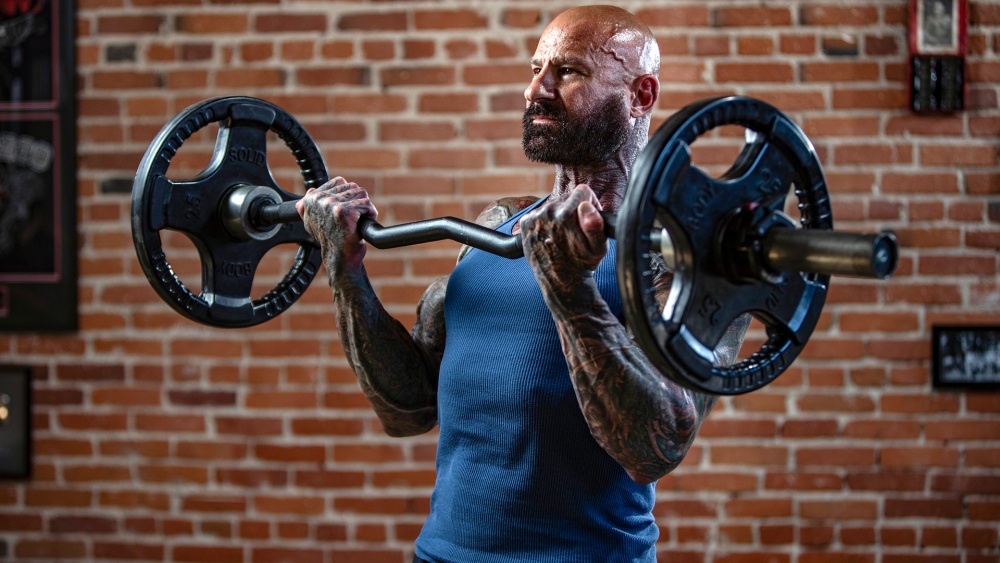
Rethink Your Rep Range
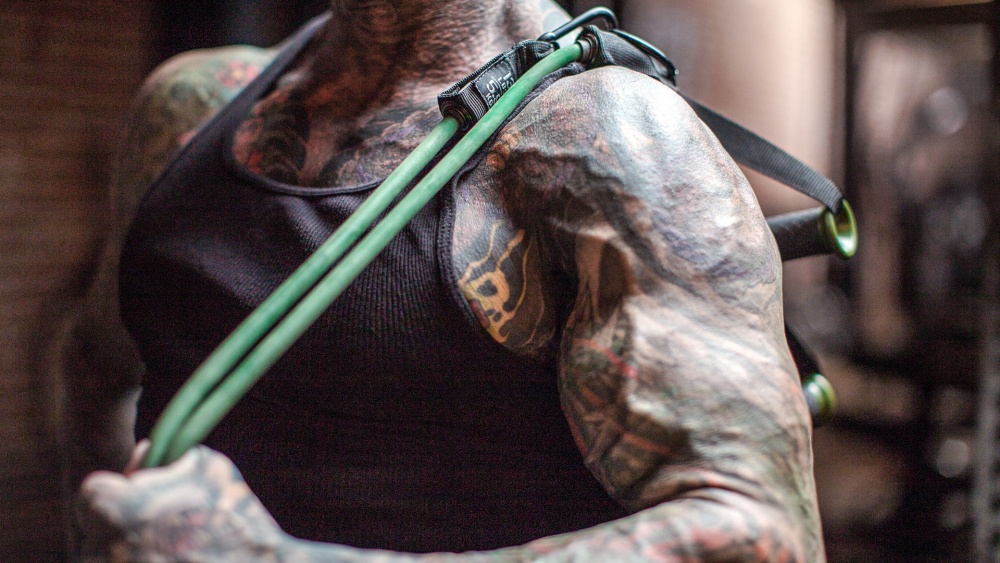
The Science of Strength Bands
Training
Nutrition
Supplementation
Health